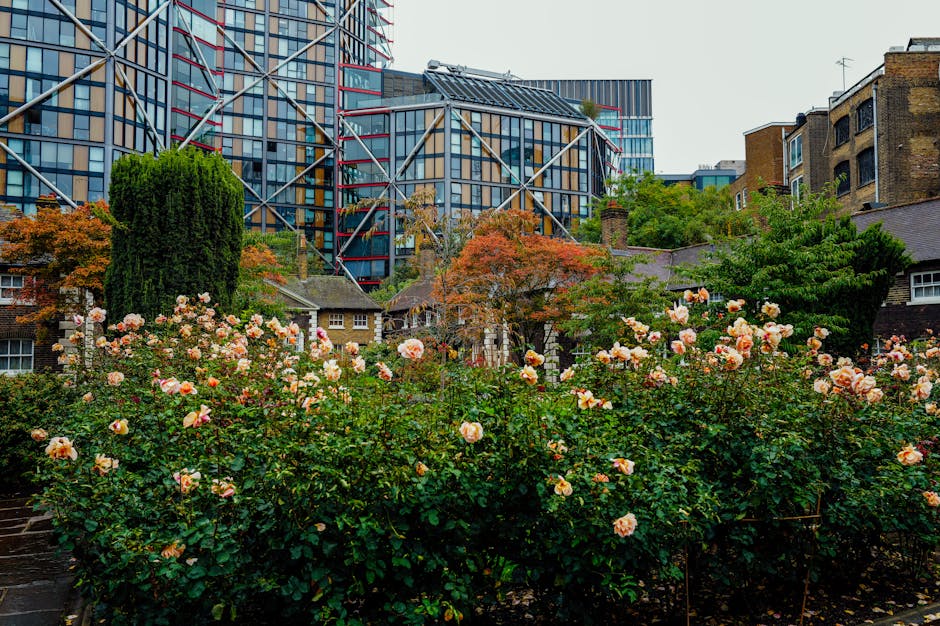
Aldgate High Street gardeners for terrace garden care: a practical guide to getting it right
If you live or work near Aldgate High Street, a terrace garden can be one of the best parts of your property. It can also be one of the easiest to neglect. Wind tunnels, shade from tall buildings, awkward access, containers that dry out by lunchtime, and rain that seems to arrive in all the wrong bursts - terrace planting has its own rules. That is exactly why Aldgate High Street gardeners for terrace garden care matter: they understand the pressure of small urban spaces and how to keep them healthy, tidy, and genuinely enjoyable.
This guide walks through what terrace garden care involves, how professional gardeners approach it, where the common pitfalls are, and how to decide which services you actually need. If you want a terrace that looks good year-round without turning into a weekend chore, you are in the right place.
One quick note before we begin: terrace gardens are rarely "set and forget". They need a bit of rhythm. Not constant fussing, just consistent care. The good news? With the right approach, even a compact outdoor space can feel calm, lush, and easy to live with.
Table of Contents
- Why terrace garden care matters on Aldgate High Street
- How terrace garden care works
- Key benefits and practical advantages
- Who this is for and when it makes sense
- Step-by-step guidance
- Expert tips for better results
- Common mistakes to avoid
- Tools, resources and recommendations
- Law, compliance, standards, or best practice
- Options, methods, or comparison table
- Case study or real-world example
- Practical checklist
- Conclusion
- Frequently asked questions
Why Aldgate High Street gardeners for terrace garden care Matters
Terrace gardens in central and inner London are a different species of space. They are usually smaller than a traditional garden, exposed to more wind, and built around hard surfaces such as paving, decked areas, balustrades, and planters. That makes them visually rewarding, but also more demanding. Soil dries faster. Containers tip if they are too light. Plant choices matter more because there is less room to recover from mistakes. And if the terrace sits above ground level, drainage becomes a bigger issue than many people expect.
In practical terms, professional care is about making the space work as a system. Not just "keeping plants alive", but balancing watering, pruning, feeding, cleaning, and seasonal changes so the whole terrace feels coherent. That might include trimming back overgrown climbers, refreshing tired containers, repairing worn planting media, or reshaping a layout that has slowly become cramped.
For many local residents and property managers, the real value lies in consistency. A well-maintained terrace can feel like an extra room in spring and summer, and a neat, controlled outdoor corner in winter. Let's face it, when a terrace starts collecting dead leaves, algae, or half-bare pots, it stops being a pleasure pretty quickly.
Aldgate High Street gardeners also understand the practical realities of city living. Access can be tight, lifts may be involved, and noise or timing may need to be handled considerately. Good terrace garden care is not just horticulture; it is working neatly in a busy urban setting. If you want a broader view of how this fits into regular upkeep, the team behind garden maintenance can be a useful starting point.
How Aldgate High Street gardeners for terrace garden care Works
Most terrace garden care begins with a quick but thoughtful assessment. A good gardener will look at the orientation of the terrace, how much direct sun it gets, how exposed it is to wind, what kind of containers or beds are already in place, and whether the planting matches the conditions. That first look matters more than people think. A plant can fail for the wrong reason - and the wrong reason is often location, not neglect.
From there, the work usually falls into a few practical layers:
- Plant health and structure: removing dead growth, shaping shrubs, and checking for weak or crowded stems.
- Water management: making sure pots and troughs hold moisture without becoming waterlogged.
- Soil and feeding: refreshing compost, mulching where appropriate, and applying the right feed for the season.
- Surface care: sweeping leaves, cleaning paving, and reducing slippery buildup.
- Layout and spacing: preventing overcrowding so air and light can move around the terrace.
Some terraces benefit from weekly visits in the growing season. Others only need fortnightly or monthly attention, especially if planting is low-maintenance and irrigation is already in place. The frequency depends on what you have, not on a fixed formula. Truth be told, the same terrace can need more care in July than it does in October, and far more after a windy spell than after a gentle week of weather.
Professionals may also coordinate terrace care with related services where needed. For example, if the space includes a small lawn at a lower level, lawn mowing could be part of the wider maintenance plan. If hedges or screening plants frame the terrace, hedge trimming may help keep light and shape under control. And if the area has become cluttered with old containers or broken planters, garden clearance can reset the space before new planting begins.
Key Benefits and Practical Advantages
Terrace garden care is not just about appearances, although a tidy terrace does make a strong first impression. The real benefits go deeper than that.
1. Better plant survival
Urban terraces can be harsh. Regular care keeps roots moist, leaves clean, and growth balanced. That means fewer sudden losses and less money wasted on plants that were never suited to the space.
2. Safer, cleaner surfaces
Leaves, moss, algae, and spilled compost can make paving slippery. Routine maintenance reduces that risk and keeps the terrace usable throughout the year. A clean terrace just feels better underfoot too.
3. Smarter use of space
On a compact terrace, every square metre matters. Regular pruning and layout adjustments stop the area from feeling crowded. You gain breathing room, and somehow the whole place looks larger.
4. Better seasonal impact
With the right planting plan, a terrace can shift beautifully through the year: spring freshness, summer fullness, autumn texture, winter structure. Professional care helps that rhythm hold together instead of collapsing into patchiness.
5. Less stress for the owner
Many clients do not want a hobby. They want an outdoor space that works. Fair enough. Consistent care is often cheaper and calmer than repeated rescue work after things have gone wrong.
6. Better long-term value
A well-kept terrace can improve how a property feels and functions, especially in dense areas where outdoor space is scarce. It can make a flat feel more liveable and a business frontage feel more welcoming.
Expert summary: The best terrace garden care is not about making a small space look busy. It is about making it balanced, durable, and easy to enjoy without a lot of effort from you.
Who This Is For and When It Makes Sense
Terrace garden care is for anyone who wants their outdoor space to stay attractive without becoming a second job. That includes homeowners, tenants with permission to improve a terrace, landlords preparing a property for viewing, and commercial property managers who need outdoor areas to look presentable to visitors or staff.
It makes especially good sense if you recognise any of these situations:
- Your terrace gets full sun and plants dry out quickly.
- The space is windy, exposed, or difficult to access.
- Containers are overgrown, underperforming, or badly arranged.
- Leaves and debris build up fast after storms or autumn changes.
- You travel often and cannot keep up with watering and pruning.
- You want the terrace to look polished for guests, clients, or tenants.
It is also a sensible choice after a difficult season. Maybe a dry spell hit hard. Maybe you inherited a terrace that was planted years ago and no longer suits the light. Maybe the place just needs a reset. That happens more than people admit. And it is fine.
If your goal is a full refresh rather than simple upkeep, it may be worth looking at broader landscape gardening or even the wider landscaping options available, especially where the terrace forms part of a larger outdoor scheme.
Step-by-Step Guidance
If you are planning terrace garden care properly, start with a sequence rather than random fixes. A calm process almost always gives better results.
- Assess the space honestly.
Look at sun, shade, wind, drainage, and access. Note where water gathers after rain and which pots dry out first. - Clear the obvious clutter.
Remove dead leaves, broken pots, spent bedding, and anything that blocks movement. This gives you a clean base to work from. - Check plant condition.
Trim dead, damaged, or overcrowded growth. If a plant is clearly struggling in the wrong spot, move it or replace it rather than hoping for magic. - Refresh soil and compost.
Top up containers with good-quality material where needed. Old compost can become compacted and tired, which means poor drainage and weak roots. - Rework watering habits.
Containers on terraces often need more careful watering than garden beds. Water thoroughly, then allow the top layer to breathe. Don't just sprinkle and hope. - Add structure.
Use planters, screening, trellis, or a subtle seating arrangement to give the terrace shape. Structure keeps a small space from feeling messy. - Schedule maintenance.
Set regular visits for pruning, deadheading, feeding, and sweeping. This is the bit that keeps everything from sliding back.
A good gardener will also look for hidden issues as they work. A cracked planter can leak moisture. A blocked drainage hole can drown roots. A climbing plant can pull on a rail or wall if it is not trained properly. These small things are the difference between a terrace that lasts and one that constantly needs fixing.
Expert Tips for Better Results
Here are a few practical things that make a real difference, especially in a tight London setting.
- Choose the right container weight. Light pots are easy to move, which is handy, but they can dry out fast and blow over in exposed spots. Heavier containers are steadier, though harder to shift later.
- Match planting to the microclimate. One corner of a terrace may be sunny, another shaded, and a third blasted by wind. Treat each zone separately.
- Prioritise root room. Crowded roots lead to weak growth. If a plant keeps looking tired despite watering, the container may simply be too small.
- Use layered planting. Mix taller features, mid-height texture, and low trailing plants. It creates depth without clutter.
- Keep a seasonal reset in mind. In spring, rework and refresh. In summer, maintain moisture and deadhead. In autumn, clear and protect. In winter, preserve structure and reduce damage from storms.
- Do not overfeed. More fertiliser is not always better. Too much can create soft growth that collapses quickly in wind or frost. Bit of a classic mistake, that one.
One small but useful habit: after heavy rain, walk the terrace and listen. Seriously. You will hear dripping, see pooling, and notice where water is lingering. That quick five-minute check can save a lot of bother later.
Common Mistakes to Avoid
Most terrace garden problems start with good intentions and a slightly wrong assumption. Happens all the time.
Overplanting the space
It is tempting to fill every corner, but small terraces need breathing room. Crowding plants makes maintenance harder and often shortens plant life.
Ignoring drainage
Terraces can trap water in pots or run it towards awkward corners. If drainage is poor, roots suffer and surfaces become messy or unsafe.
Using the wrong plants for the conditions
Shade-lovers in full sun, sun-lovers in wind, moisture-lovers in dry corners - none of that ends well for long. Plant choice has to match the space.
Leaving pruning too long
Small plants can become unruly surprisingly fast. Once a terrace starts to look overgrown, the clean lines disappear and it takes more work to bring them back.
Forgetting the cleaning side of care
Leaves, mud, and algae are not just cosmetic issues. They make the terrace feel older and less usable, and they can become slippery.
Assuming one visit is enough
Some jobs are one-off, of course. But terrace care usually works better as an ongoing rhythm, even if that rhythm is light. Consistency beats dramatic rescue work every time.
Tools, Resources and Recommendations
Good terrace care does not require a van full of kit, but it does need the right basics. For day-to-day upkeep, most professionals rely on a fairly simple toolkit:
- sharp secateurs for precise pruning
- lightweight shears for shaping softer growth
- a hand fork or cultivator for top dressing pots
- watering cans or a controlled hose setup where access allows
- microfibre cloths or brushes for wiping down containers and surfaces
- gloves with a proper grip, especially for slippery or thorny work
- spares of plant ties, clips, and labels for training and organisation
For larger or more complex terraces, it can also help to coordinate with specialists in related work. If the outdoor area includes timber features or seating zones, decking services may improve the overall layout and make maintenance easier. If you need a broad seasonal tidy-up before starting, services overview pages are often a useful place to see how different work types fit together. For homeowners who care about waste handling, recycling and sustainability can also help reinforce a more responsible approach to garden waste.
If you are comparing providers, ask what is included in the visit. Some gardeners focus on plant care only. Others include sweeping, pot refreshment, minor reshaping, and disposal of green waste. That difference matters more than the headline price.
Law, Compliance, Standards, or Best Practice
Terrace garden care is usually straightforward, but there are a few practical standards worth keeping in mind. In a London setting, access, safety, waste handling, and neighbour consideration all matter. If work involves ladders, sharp tools, heavy pots, or tree-related tasks, the provider should have sensible safety procedures in place. If they are moving materials through shared access points, they should be careful, tidy, and insured appropriately.
For customers, the main point is simple: choose a company that works cleanly and communicates clearly. That includes sensible scheduling, a fair approach to damage prevention, and realistic promises. If you are unsure how a provider handles these things, it is reasonable to ask. Good firms won't mind. In fact, they should welcome it.
It can also help to check the practical side of working arrangements. Pages such as insurance and safety, health and safety policy, and payment and security give a sense of how a provider approaches responsibility, customer care, and transactions. If you want to understand the business more generally, about us can be useful too.
Also, if you have clear instructions, awkward access, or shared ownership concerns, make them known early. It saves a headache later. Not glamorous, but very effective.
Options, Methods, or Comparison Table
There is more than one way to look after a terrace garden. The right method depends on your space, budget, and how hands-on you want to be.
| Approach | Best for | What it usually includes | Trade-offs |
|---|---|---|---|
| Basic upkeep visits | Small terraces with stable planting | Weeding, sweeping, light pruning, watering checks | Good for routine care, but not enough for major overgrowth |
| Seasonal refreshes | Terraces that need a few larger interventions each year | Replanting, soil top-up, reshaping, container updates | Less frequent, but can leave gaps between visits |
| Ongoing maintenance plans | Busy owners, rentals, and exposed terraces | Regular care through the growing season and winter protection | More consistent, usually better long-term value |
| Full redesign plus care | Outdated terraces or badly arranged spaces | Planning, planting changes, layout work, maintenance follow-up | Higher upfront effort, but can transform the feel of the space |
In real life, many terraces work best with a hybrid approach: a stronger spring reset, then lighter but regular attention through summer and autumn. That gives you the most impact without constant disruption.
Case Study or Real-World Example
Imagine a terrace near Aldgate High Street with three main issues: a windy aspect, several tired containers, and a patchy collection of plants that were probably bought at different times for different reasons. The terrace is usable, but it feels awkward. A couple of pots are doing well, one climber has run out of control, and the paving is collecting grime in the corners.
A sensible care plan would start with a tidy reset. Dead growth is removed. Heavy, healthy plants are kept. The weak or unsuitable ones are replaced with varieties better suited to wind and container life. Compost is refreshed. The layout is adjusted so the tallest items give structure instead of blocking movement. Then a watering routine is set up that reflects the actual conditions, not the gardener's wishful thinking. That part matters more than people expect.
After a few visits, the terrace starts to feel lighter. Not overly styled - just calmer, greener, and easier to live with. The owner spends less time reacting to problems and more time actually using the space. A small table comes out. Evening light hits the leaves. The place finally feels like it belongs to the property again.
That is the quiet success of good terrace care. It is not dramatic. It is better than dramatic.
Practical Checklist
Use this checklist if you are reviewing a terrace garden or preparing for a gardener's visit.
- Check how much sun, shade, and wind the terrace gets.
- Look for pooling water after rain.
- Remove dead leaves, spent flowers, and obvious clutter.
- Inspect pots for cracks, tipping, or drainage problems.
- Note any plants that look stressed, leggy, or overcrowded.
- Decide whether the space needs light upkeep or a more thorough refresh.
- Confirm whether access is easy or requires extra planning.
- Think about whether you want maintenance, a redesign, or both.
- Ask how green waste and old plant material will be handled.
- Agree on frequency, scope, and expectations before the first visit.
If you can tick most of those boxes, you are in a strong position to get good results without wasting time or money.
Conclusion
A terrace garden should feel like a small luxury, not a constant maintenance headache. With the right care, even a compact outdoor space near Aldgate High Street can become resilient, attractive, and genuinely pleasant to use through the seasons. The key is matching the care to the conditions: wind, light, drainage, access, and how much effort you realistically want to spend.
If you are weighing up whether to improve, refresh, or simply maintain your terrace, start with the basics, then build from there. Good gardening is rarely about doing more. Usually it is about doing the right things at the right time, and not rushing the rest. Simple enough, in theory - though of course the terrace will still have opinions of its own.
Get a free quote today and see how much you can save.
When the work is done properly, the space stops feeling like a chore and starts feeling like yours again. That is the real win.
Frequently Asked Questions
What do Aldgate High Street gardeners for terrace garden care actually do?
They look after the plants, containers, surfaces, and overall layout of a terrace garden. That can include pruning, watering checks, feeding, cleaning, replanting, and seasonal tidy-ups. In many cases, the goal is to keep the space healthy and easy to use rather than just visually neat.
How often does a terrace garden need maintenance?
It depends on the planting, exposure, and size of the terrace. A sunny or windy space may need weekly attention in summer, while a more sheltered terrace might be fine with fortnightly or monthly visits. The best schedule is based on the actual conditions, not a fixed rule.
Can terrace gardens survive in windy locations?
Yes, but they need the right plant choices and a sensible layout. Wind-tolerant plants, heavier containers, and some form of screening or shelter usually help a lot. If the wrong plants are used, though, the space can struggle no matter how much you water it.
What are the biggest problems with terrace gardens in London?
The most common issues are drying out, poor drainage, wind exposure, overcrowding, and neglected containers. In a busy city setting, access and routine care are also big factors. Small problems can become obvious very quickly on a terrace.
Is terrace garden care different from normal garden maintenance?
Yes. Terrace gardens usually have less soil volume, more hard surfaces, and more exposed conditions. That means watering, drainage, and container selection matter more than they would in a ground-level garden.
Can a terrace garden be low maintenance?
Absolutely. The trick is choosing the right plants, using good-quality containers, and planning a layout that does not need constant trimming or reworking. Low maintenance does not mean no maintenance, though. It just means fewer moving parts.
What should I ask before hiring a gardener for my terrace?
Ask what is included in the visit, how often they recommend maintenance, whether they handle waste removal, and whether they are insured for the kind of work involved. It also helps to ask how they approach drainage, plant replacement, and seasonal care.
Do terrace garden gardeners also help with clear-outs or redesigns?
Often, yes. Many projects begin with a tidy-up or clearance before moving into planting and layout changes. If the terrace has become cluttered or tired, a broader reset can make a big difference.
How do I know if my terrace plants are in the wrong place?
Look for repeated signs of stress: scorched leaves, constant wilting, poor flowering, stunted growth, or plants leaning into or away from the light. If the same plant keeps struggling in the same spot, the location may be the issue.
Is terrace garden care worth it for a small space?
Usually, yes. Small terraces can have a huge impact on how a property feels. With the right care, even a modest outdoor area can become a calm, attractive spot for morning coffee, fresh air, or a bit of evening pause after work.
What makes a good terrace gardening service stand out?
A good service notices the details: drainage, plant suitability, tidy finishes, and realistic maintenance planning. They should work neatly, explain what they are doing, and make the space feel easier to live with, not more complicated.
How do I get started if my terrace is already overgrown?
Start with clearance and assessment, not planting. Once the clutter is removed, it becomes much easier to see what is salvageable, what needs replacing, and how the space should be arranged going forward. A clean reset is often the best first move.